Antiespumante sin silicona: guía esencial para aplicaciones industriales
Non silicone antifoam products provide a biodegradable way to control foam in industrial processes of all types. Antifoam and defoamer have played a vital role as industrial tools for over 45 years. These tools help companies maintain their operational efficiency, but many professionals still don’t fully grasp the basic differences between these important additives.
The right antifoaming agent can make a big difference in handling foam-related challenges. Antifoam work by stopping foam before it forms, while defoamer break down foam that already exists. Companies focused on environmental responsibility often choose non-silicone varieties because they break down naturally. This feature has made them popular in industries of all sizes.
The right foam control strategy boosts production efficiency and leads to major cost savings that improve profitability. This piece explores non-silicone antifoams’ chemical makeup, performance features, and specific uses across industries. You’ll learn everything you need to pick the best solution for your industrial processes.
Chemical Composition of Non-Silicone Antifoams
The basic makeup of non-silicone antifoam comes from specialized chemical components that work together to curb foam formation. These formulations change based on how they’ll be used and what kind of performance they need to deliver.
Fatty Acids and Alcohols as Base Components
Fatty alcohol defoamers are the most important category of non-silicone antifoam we used in industrial processes. These compounds blend specialized hydroxyl compounds with small amounts of boosters and dispersants in an oil-in-water emulsion format. Their molecular structure has polar groups at one or both ends, which gives them unique surface-active properties.
These fatty alcohol-based products spread well in water and mix easily, which helps improve dehydration conditions. They stand out from other antifoaming agent because they don’t mess with sizing effects in pulp production. This makes them valuable for special paper manufacturing processes that need many additives. They also help keep production running smoothly by reducing foam-caused deposits.
Role of Hydrophobic Silica in Foam Suppression
Hydrophobic silica particles make non silicone antifoam work better. These particles create a cooperative effect with defoamer oils when added to antifoam formulations. This is a big deal as it means that the combination works better than using either component by itself.
The process works because hydrophobic particles quickly destabilize the pseudoemulsion film (oil/water/air) in foam systems. This happens as particles boost both the depth and speed at which defoamer droplets enter foam lamellae—experts call it the “pin-effect”. The particles must sit on oil droplet surfaces rather than float inside them to work best.
Hydrophobic silica beats alternatives like waxes or metal soaps with its defined particle size and rough, porous surfaces. Temperature changes or water hardness don’t affect silica’s performance.
Water-Based vs Oil-Based Formulations
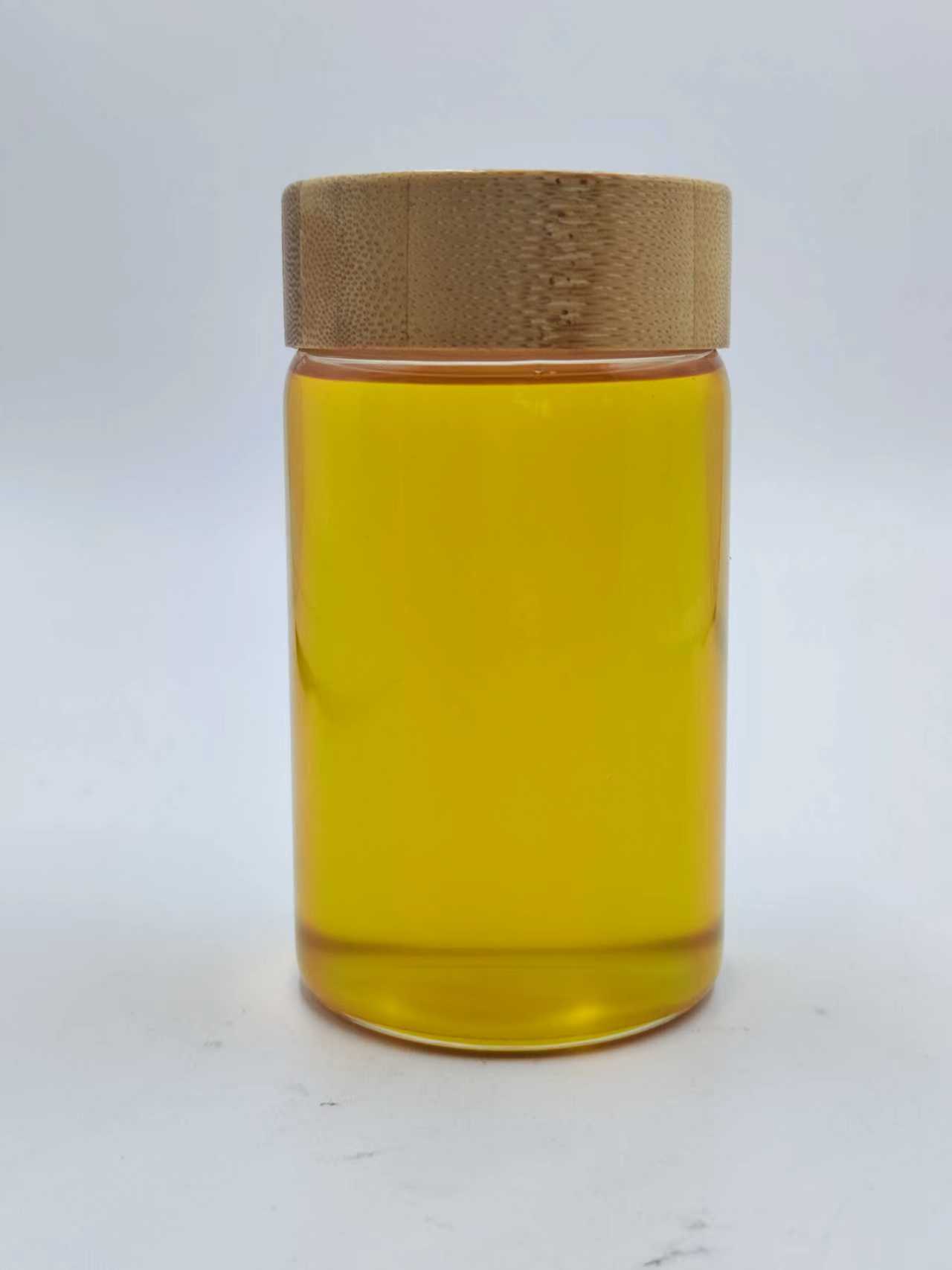
Non silicone antifoam come as water-based or oil-based formulations. Water based defoamer use water as their main carrier (70-90% of composition) plus active oil components, emulsifiers, and some additives. These ingredients mix to form an oil-in-water emulsion. Most fatty alcohol defoamers fit this category and look like light yellow viscous liquids that are accessible to more people working with water systems.
Oil based defoamer mainly use organic solvents, oils, or waxes like mineral oil or paraffin wax. They don’t need emulsification during production. Mineral oil-based formulas usually have 70-95% mineral oil, with hydrophobic particles, emulsifiers, spreading agents, and performance boosters making up the rest. These products shine in oil-based systems, such as paints, lubricants, and petrochemical processes.
Performance Characteristics in Industrial Settings
Non-silicone antifoam products work remarkably well in challenging industrial environments. Several key characteristics determine how suitable these products are for specific applications.
Foam Knockdown Speed in High-Viscosity Fluids
Flash knockdown, which eliminates foam faster, stands out as a critical performance metric for industrial antifoaming agent. High-quality non silicone antifoam eliminate foam instantly, even in challenging high-viscosity environments. Organic defoamers show excellent efficiency with immediate flash knockdown at all pH levels. Quick action helps prevent disruptions in time-sensitive manufacturing processes.
These non-silicone formulations break down thick foam structures by reducing surface tension at the gas-liquid interface, which destabilizes foam bubbles. The products also maintain their effectiveness longer without frequent reapplication, showing exceptional “staying power”. Continuous industrial operations benefit from this lasting performance since production stops for defoamer addition can get pricey.
Estabilidad térmica en procesos a alta temperatura
Non-silicone antifoams show substantial variations in temperature resistance, with some formulations designed specifically for extreme thermal conditions. Silicone-based products typically handle temperatures up to 300°C (572°F), while organic polymer-based non-silicone alternatives work between 150°C and 200°C (302°F to 392°F). Some specialized water-based biodegradable formulations excel in high-temperature systems, including clean-in-place applications.
Mineral oil-based non-silicone defoamers show moderate temperature stability and work well in processes below 150°C. Polyether defoamers provide excellent thermal stability without breaking down. Food processing industries value this feature since heat-stable solutions prevent foam-related quality problems.
Residue-Free Operation in Sensitive Applications
Non silicone antifoam leave minimal residue, which gives them a major advantage. These formulations leave fewer unwanted residues than silicone-containing products that could affect downstream processes. Surface quality-sensitive applications like paints, inks, and specialty coatings benefit from this characteristic.
The paint industry’s C-2280 products deliver outstanding performance without residue-related defects. Non silicone defoamer also work better with filtration membranes, which leads to improved performance and lower maintenance costs. Products with residue-free operation improve quality and streamline processes.
Industry-Specific Applications of Non-Silicone Antifoams
Non silicone antifoam help control foam in many industries to maintain product quality and operational efficiency. These specialized products provide solutions that match each sector’s unique challenges.
Use in Food Processing and Beverage Systems
Food and beverage manufacturers rely heavily on non silicone antifoam. Products like C-2400 and C-2402 contain ingredients the FDA recognizes as safe (21 CFR 173.340), which makes them perfect for direct food contact. These products control foam in fermentation, dairy production, and beverage processing without changing taste or odor. To cite an instance, Suppressor 3583, a 100% active non-silicone antifoam, works exceptionally well in specialty cheese production.
Application in Pulp and Paper Manufacturing
Pulp and paper production faces big challenges from foam caused by lignin, rosin, fatty acid soaps, and hemicellulose during pulping. Foamkill 639 shows remarkable results in pulp manufacturing and monomer stripping. Paper mills use these products to boost equipment efficiency, create better formation and drainage, and avoid expensive problems like dandy throw. Water-based formulas work particularly well because they control surface foam and trapped air without affecting sizing, even at high doses.
Foam Control in Water Treatment Facilities
Water treatment facilities get great results from non silicone antifoam that tackle tough foam problems. Foamkill A-60, a water-based non-toxic, APE-free emulsion, serves as both a deaerating agent and foam prevention solution in wastewater treatment. These products handle foam from surfactant, oils, proteins, chemical additions, and microbial activity. Good foam control helps prevent reduced oxygen transfer, poor settling, membrane fouling, and tank overflows.
Suitability for Paints, Inks, and Coatings
Paint, ink, and coating manufacturers prefer non silicone antifoam because silicones can cause surface defects in dried films. Foamkill 608 stands out in dispersion paints and water-based inks, including materials prone to “fish-eyeing”. Borchers AF T, a non-silicone antifoaming agent made from tri-n-butyl phosphate, stops foam formation during production and maintains good gloss with low haze in formulated systems. These products remove trapped air in paints and coatings to create superior finish quality.
Selection Criteria for Non-Silicone Antifoams
Picking the right non silicone antifoam needs you to think over several key factors that help you get the best results in your industrial setting.
Compatibility with Process Chemicals
Your antifoaming agent’s match with your process chemistry is the main goal. Your system’s pH directly affects how well it works—some non-silicone formulas work great in pH ranges from 3-12 and are more flexible than silicone options that only work between pH 5-9. Clear products like dishwashing liquids and hand soaps can’t use regular milky-white defoamers. You need polyether or special non-silicone types to keep the product clear. My experience shows that vegetable oil-based options work really well when you need to avoid contamination.
Environmental and Biodegradability Considerations
These days, environmental effects play a big role in what you choose. Non silicone antifoam break down easily and are better for the environment than synthetic materials. Plant-based and biodegradable formulas are a great way to get eco-friendly results. These products have fewer lasting compounds and leave a smaller environmental footprint while still doing their job well.
Cost-Effectiveness vs Performance Trade-offs
The original cost of non silicone antifoam is lower—mineral oil products cost 30-50% less than silicone options. Notwithstanding that, you need to balance cost with how well they work. Most uses need just a tiny amount (0.01-0.3% by weight), which gives you the best value. You ended up making your choice based on comparing upfront costs with benefits like less maintenance, less waste, and better production efficiency.
Conclusión
This piece has taken a closer look at non silicone antifoam and their vital role in modern industrial applications. These specialized formulations provide affordable solutions to control foam. They also offer biodegradable alternatives to traditional silicone-based products.
Non silicone antifoam come in many chemical compositions, ranging from fatty alcohol formulations to products improved with hydrophobic silica. Each type meets specific needs based on application requirements. Water-based and oil-based formulations tackle different industrial challenges. Mineral oil options excel in oil-based systems, and water-based products work well in aqueous environments.
Product selection depends heavily on performance characteristics. Time-sensitive operations need quick flash knockdown speed, while high-temperature processes require thermal stability. These products leave no residue, which makes them valuable in sensitive applications like paints and coatings where surface quality matters most.
These products adapt well to many industries. Food processors use FDA-compliant formulations. Pulp and paper manufacturers face fewer operational challenges. Water treatment facilities prevent foam-related problems, and paint producers get better finish quality. This flexibility shows why choosing the right product for specific uses is so important.
Selecting the right product needs a good look at process chemical compatibility, environmental effects, and cost. Most applications need small doses, which gives great value for money while delivering excellent performance benefits.
Non silicone antifoam have become a valuable tool for industries that want both effective foam control and environmental responsibility. They’ve gained popularity because they balance performance with sustainability. As industrial processes keep changing, these specialized formulations will remain key components to maintain operational efficiency and product quality in manufacturing environments of all types.
Puntos clave
Non silicone antifoam provide effective, environmentally-friendly foam control solutions across diverse industrial applications while offering biodegradable alternatives to traditional silicone-based products.
• Chemical versatility drives performance: Fatty acids, alcohols, and hydrophobic silica work synergistically to create formulations tailored for specific industrial needs and operating conditions.
• Rapid foam elimination with lasting power: High-quality non silicone antifoam deliver instant “flash knockdown” in high-viscosity fluids while maintaining effectiveness over extended periods.
• Industry-specific solutions maximize efficiency: From FDA-compliant food processing formulations to residue-free paint applications, specialized products address unique sector challenges.
• Smart selection balances multiple factors: Consider process chemistry compatibility, environmental impact, and cost-effectiveness—most applications require only 0.01-0.3% dosage for optimal results.
• Environmental responsibility meets performance: These biodegradable formulations reduce long-term environmental footprint while delivering comparable or superior foam control compared to synthetic alternatives.
The key to successful implementation lies in matching the right formulation to your specific process requirements, ensuring both operational efficiency and environmental stewardship in your industrial operations.
 Spanish (Dominican Republic)
  English (United States)
  Arabic
  Bulgarian
  Czech
Czech  Danish
  German (Austria)
  German
  Greek
Greek  Spanish (Peru)
  Spanish (Colombia)
  Spanish (Spain)
  Spanish (Argentina)
  Spanish (Mexico)
  Spanish (Chile)
  Estonian
  Finnish
  French (France)
  French (Belgium)
  Hungarian
  Indonesian
  Italian
  Japanese
  Korean
  Lithuanian
  Latvian
  Norwegian
  Dutch
Dutch  Dutch (Belgium)
  Polish
  Portuguese (Portugal)
  Portuguese (Brazil)
  Romanian
  Russian
  Slovak
  Slovenian
  Swedish
  Turkish
  Ukrainian
  English (South Africa)
  German (Switzerland)
  Spanish (Costa Rica)
  Spanish (Venezuela)
  Spanish (Ecuador)
  Spanish (Uruguay)
  Spanish (Puerto Rico)
  Spanish (Guatemala)
  French (Canada)
  Hebrew
  Hindi
Hindi  Icelandic
  Irish
Irish  Kazakh
  Kurdish
  Kurdish
  Kyrgyz
  Latin
Latin  Malay
Malay  Pangasinan
  Persian
  Portuguese (Angola)
  Portuguese (Portugal, AO90)
  Serbian
  South Azerbaijani
  Tamil
Tamil  Tamil (Sri Lanka)
  Thai
Thai  Urdu
Urdu  Uzbek
Uzbek  Vietnamese
  Welsh
Welsh  Chinese
  Albanian
  Aymara